Homeostasis simulation
See it in action! Use this interactive to see how different behaviours and biological responses help to maintain homeostasis for a person running on a treadmill.
Homeostasis keeps your body's internal environment stable and balanced. Understanding homeostasis helps us see how various body systems work together to maintain health and adapt to changes. Use this resources to explore how your body achieves stability and responds to challenges.
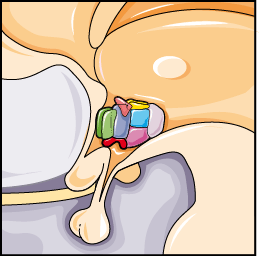
Homeostasis ("homeo" means "similar to" and "stasis" means "standing still") is the body's way of maintaining a stable internal environment despite external changes. It does this by correcting any imbalances in conditions.
The steps involved in regulating homeostasis are the same regardless of what conditions are being maintained:
Depending on whether the response is to decrease the effect of the change or to increase it, a negative or feedback loop may be involved.
Two flowcharts showing the negative and positive feedback loops. On the left is the negative feedback loop. It shows the stimulus, then the sensor, the control centre and finally, the effector. An inhibitory arrow is shown from the effector to the stimulus. This indicates that the effector decreases the effect of the change. On the right is the positive feedback loop. It also shows the same components, but with a regular arrow pointing from the effector to the stimulus. This indicates that the effector increases the effect of the change.
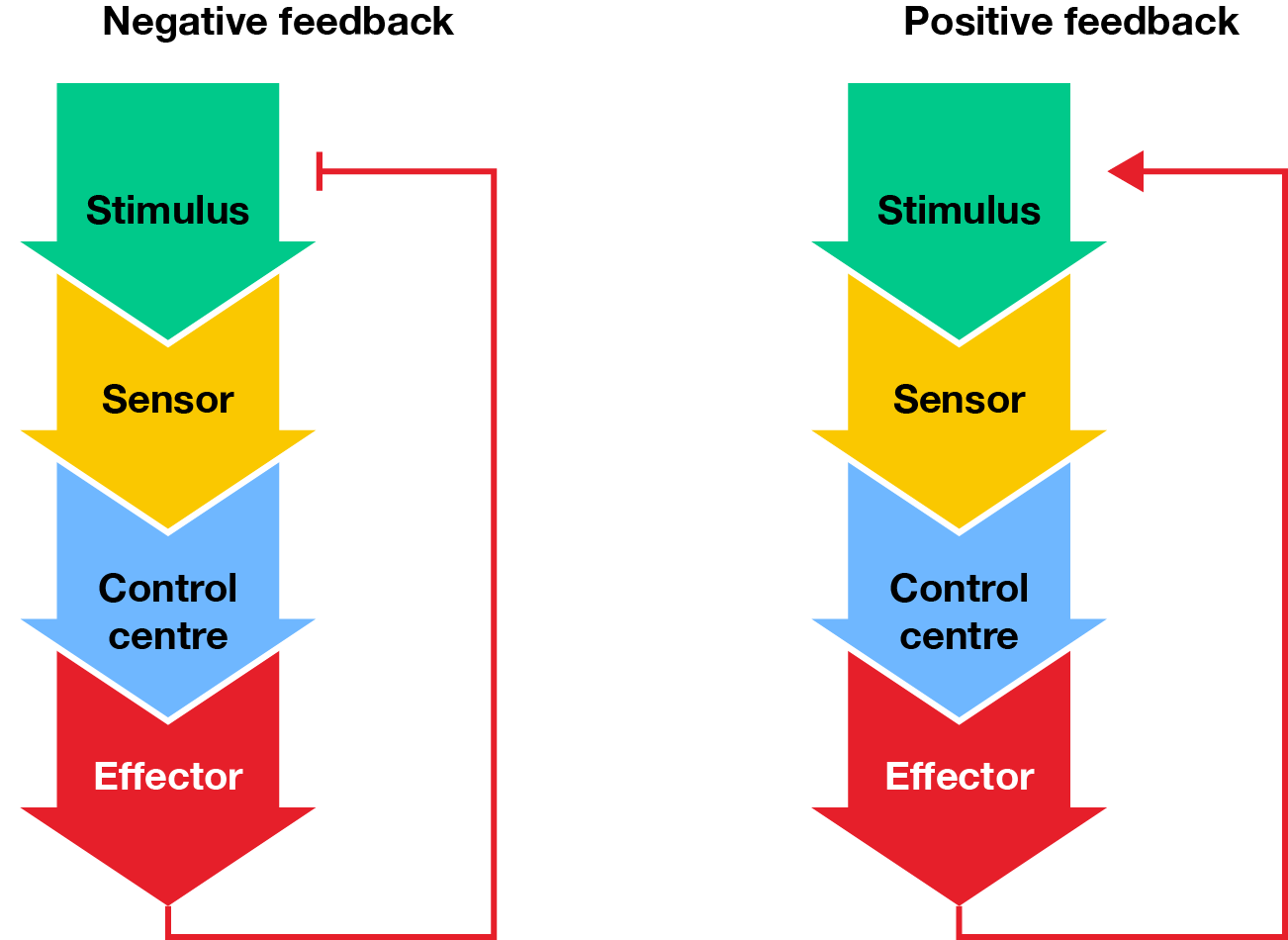
Feedback loops
One way that homeostasis is maintained is by negative feedback loops. Negative feedback loops reverse changes in the body’s internal environment. When a change occurs, these loops act to bring conditions back to their set points.
Some examples of internal conditions regulated by negative feedback loops are:
We will look at body temperature and blood glucose levels in more detail.


Normal blood glucose levels should be between \(60\textrm{ mg/dL}\) and \(140\textrm{ mg/dL}\). To coordinate this balance, the pancreas acts as the control centre.
Positive feedback loops help your stomach digest a big meal. When the food arrives, protein activates a digestive enzyme called pepsin, which automatically activates even more pepsin to quickly flood your stomach and break down your dinner faster.
Examples are:
See how well you understand homeostasis with a quick quiz.
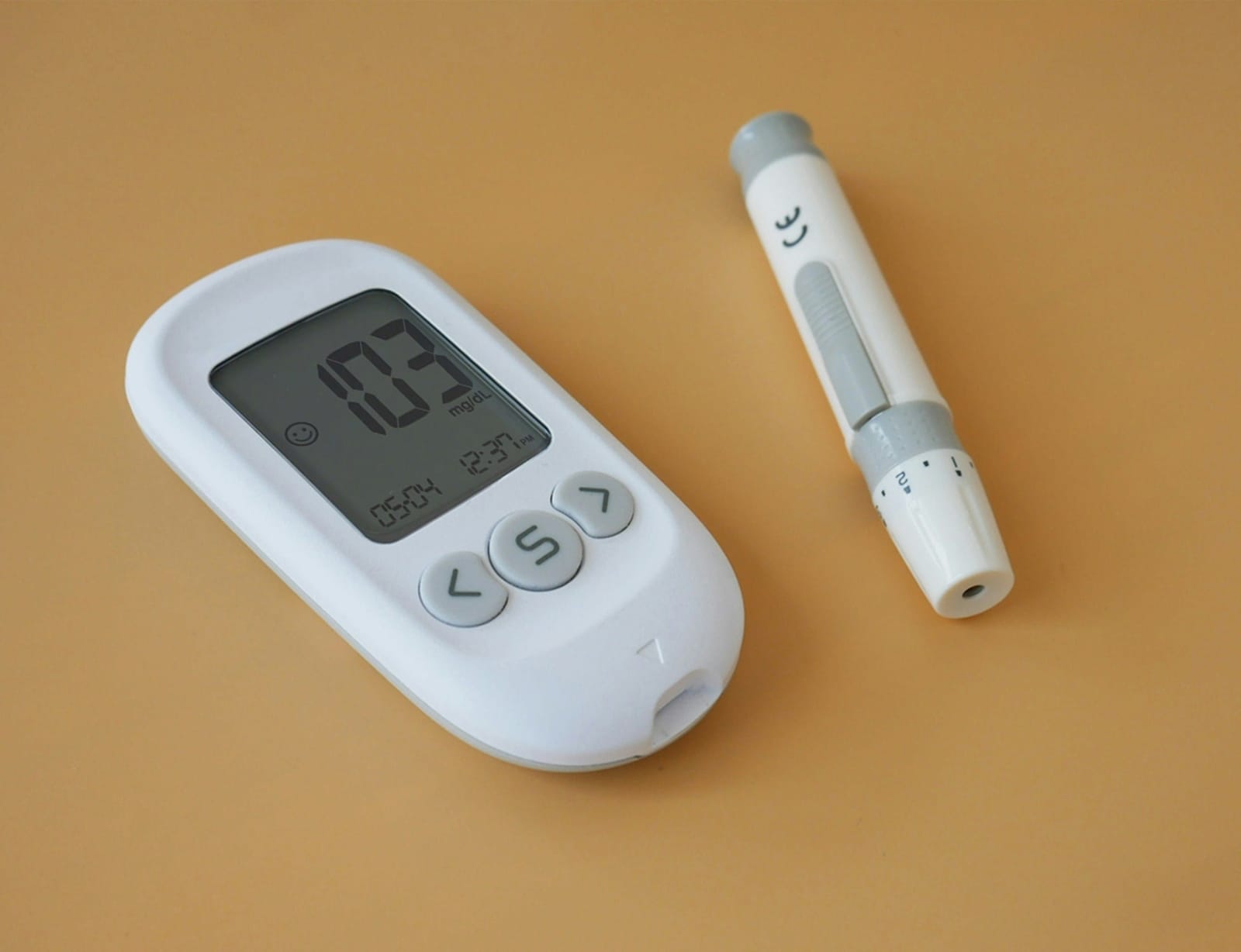
Read the scenario and use the information provided to answer the questions in the quiz.
Students enrolled in the Diploma of Nursing at RMIT are completing a course on caring for patients with diabetes. As part of their practical lab exercises, they study the body's response to glucose intake.
They analyse the blood glucose levels of three healthy volunteers who consume a standard meal. The data is collected at regular intervals over \(150\) minutes and recorded in the following table.
| Time | Blood glucose, Participant 1 | Blood glucose, Participant 2 | Blood glucose, Participant 3 |
|---|---|---|---|
| \(0\textrm{ min}\) | \(90\textrm{ mg/dL}\) | \(85\textrm{ mg/dL}\) | \(92\textrm{ mg/dL}\) |
| \(30\textrm{ min}\) | \(140\textrm{ mg/dL}\) | \(150\textrm{ mg/dL}\) | \(145\textrm{ mg/dL}\) |
| \(60\textrm{ min}\) | \(130\textrm{ mg/dL}\) | \(135\textrm{ mg/dL}\) | \(128\textrm{ mg/dL}\) |
| \(90\textrm{ min}\) | \(110\textrm{ mg/dL}\) | \(120\textrm{ mg/dL}\) | \(115\textrm{ mg/dL}\) |
| \(120\textrm{ min}\) | \(100\textrm{ mg/dL}\) | \(105\textrm{ mg/dL}\) | \(102\textrm{ mg/dL}\) |
| \(150\textrm{ min}\) | \(95\textrm{ mg/dL}\) | \(100\textrm{ mg/dL}\) | \(97\textrm{ mg/dL}\) |


RMIT University acknowledges the people of the Woi wurrung and Boon wurrung language groups of the eastern Kulin Nation on whose unceded lands we conduct the business of the University. RMIT University respectfully acknowledges their Ancestors and Elders, past and present. RMIT also acknowledges the Traditional Custodians and their Ancestors of the lands and waters across Australia where we conduct our business - Artwork 'Sentient' by Hollie Johnson, Gunaikurnai and Monero Ngarigo.
More information